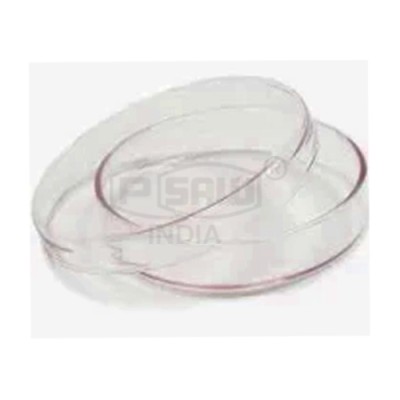
Science and research rely heavily on precision, accuracy, and the right equipment. Among the most essential tools in any scientific, educational, or industrial laboratory are Laboratory Glassware Dishes. These specialized vessels serve as the foundation for countless experiments, chemical reactions, biological cultures, and material testing procedures. Whether you are observing microbial growth in a biology lab or evaporating a solvent in a chemistry setup, understanding the characteristics, types, and proper care of these glass instruments is crucial for achieving reliable and reproducible results.
In this comprehensive guide, we will explore everything you need to know about laboratory glassware dishes, their diverse applications, material compositions, safety protocols, and maintenance best practices.
1. Introduction to Laboratory Glassware and Specialized Dishes
A laboratory is only as good as the tools it houses. While volumetric flasks, burettes, and pipettes handle liquid measurement, Laboratory Glassware Dishes are designed primarily for surface area exposure, containment, heating, crystallization, and observation. Their unique flat, shallow, or round-bottomed configurations allow researchers to interact directly with samples, whether under a microscope, inside an incubator, or over a Bunsen burner.
Historically, the evolution of laboratory glass has transformed scientific discovery. The introduction of borosilicate glass in the late 19th and early 20th centuries revolutionized the field by providing exceptional resistance to thermal shock and chemical corrosion. Today, these dishes remain indispensable across microbiology, organic chemistry, pathology, pharmaceuticals, and materials science.
2. Why Glass? The Superiority of Glassware in Laboratories
While plastic alternatives (such as polystyrene petri dishes) are common in disposable applications, high-grade glass remains the gold standard for many laboratory processes due to several distinct advantages:
-
Thermal Resistance: Glass can withstand extreme temperature variations, ranging from cryogenic cooling up to high-temperature sterilization in an autoclave or dry heat oven.
-
Chemical Inertness: Unlike plastics, which may leach plasticizers or react with aggressive organic solvents (like acetone, chloroform, or strong acids), glass remains chemically inert and does not contaminate sensitive samples.
-
Optical Clarity: High-quality glass provides crystal-clear visibility, making it ideal for microscopic examination, spectrophotometric analysis, and visual monitoring of chemical color changes or crystal formation.
-
Reusability and Sustainability: Glassware dishes can be thoroughly cleaned, sterilized, and reused hundreds of times, making them cost-effective and environmentally friendly over their lifecycle.
3. Major Types of Laboratory Glassware Dishes
Different scientific tasks require specific vessel geometries. Below are the most common types of glass dishes found in modern laboratories:
A. Petri Dishes
Originally invented by German bacteriologist Julius Richard Petri, glass petri dishes are shallow, cylindrical, flat-bottomed lidded dishes.
-
Uses: Primarily used in microbiology for culturing bacteria, fungi, and cell lines on nutrient agar. They provide a large surface area for colony growth while the loose-fitting lid allows gas exchange while preventing airborne contamination.
-
Advantages: Reusable, withstands repeated autoclaving, and resists scratching during cleaning.
B. Evaporating Dishes
Evaporating dishes typically feature a round bottom with a pouring spout and are manufactured from heavy-wall borosilicate glass or porcelain.
-
Uses: Designed for evaporating excess solvents from a solution to concentrate the solute or yield solid crystals.
-
Advantages: Their shape promotes uniform heat distribution when placed on a wire gauze over a Bunsen burner or hot plate.
C. Crystallizing Dishes
Similar to beaker bottoms without lips, crystallizing dishes are wide, straight-sided cylindrical glass vessels.
D. Watch Glasses
A watch glass is a circular concave piece of glass shaped like a convex lens.
-
Uses: Highly versatile, they serve as surfaces for evaporating liquids, holding small quantities of solids during weighing, acting as lids for beakers to prevent dust contamination, or heating small drops of liquids.
E. Spot Plates (Reaction Plates)
While often made of porcelain, glass spot plates feature multiple small depression wells.
4. Materials and Manufacturing Standards
Not all glass is created equal. The performance of Laboratory Glassware Dishes depends heavily on their chemical composition and annealing process:
-
Borosilicate Glass (e.g., Pyrex, Duran, Kimax): Composed primarily of silica and boron trioxide, this glass has a very low coefficient of thermal expansion. This means it will not crack under sudden temperature shifts, making it safe for heating and autoclaving.
-
Quartz Glass: Used in specialized applications requiring high ultraviolet (UV) transparency or extreme temperature resistance far exceeding standard borosilicate limits.
-
Soda-Lime Glass: Less expensive and used for general-purpose, non-heating applications where thermal shock resistance is not required.
5. Proper Cleaning, Maintenance, and Sterilization
Maintaining the integrity of Laboratory Glassware Dishes requires strict adherence to washing and sterilization protocols. Residue from previous experiments can ruin sensitive analytical assays or biological cultures.
-
Pre-cleaning: Rinse dishes immediately after use with an appropriate solvent (water, ethanol, or acetone) to prevent residues from drying and baking onto the surface.
-
Washing: Use laboratory-grade biodegradable detergents with soft brushes or ultrasonic baths. Avoid abrasive scouring pads that can scratch the glass and create sites for bacterial contamination or stress fracture.
-
Rinsing: Follow detergent washing with multiple rinses in tap water, finishing with a final rinse in deionized (DI) or distilled water.
-
Sterilization: For microbiological work, glassware dishes must be sterilized. This is typically done via autoclaving (steam under pressure at 121°C for 15–30 minutes) or dry-heat sterilization in an oven (160°C–180°C).
6. Applications Across Scientific Disciplines
The versatility of these dishes ensures their presence across diverse scientific fields:
-
Microbiology and Biotechnology: Culturing microorganisms, antibiotic sensitivity testing, and plant tissue culture.
-
Analytical Chemistry: Gravimetric analysis, sample drying, recrystallization, and qualitative spot testing.
-
Pharmaceutical Research: Drug formulation testing, compound evaporation, and stability testing under controlled environmental conditions.
-
Forensic Science: Examining trace evidence, chemical residue separation, and microscopic slide preparation.
7. Safety Precautions and Best Practices
Working with glassware inherently involves risks related to breakage, thermal burns, and chemical exposure. Follow these safety guidelines when handling Laboratory Glassware Dishes:
-
Inspect Before Use: Always check glassware for chips, cracks, or star fractures. Damaged glass can shatter under thermal or mechanical stress.
-
Thermal Safety: Never heat thick-walled glassware directly over a high, unmitigated flame. Use appropriate heating mantles, water baths, or wire gauzes with ceramic centers.
-
Hot Glass Awareness: Hot glass looks identical to cold glass. Always use thermal gloves or tongs when handling items removed from ovens or hot plates.
-
Proper Disposal: Broken glass must never go into regular trash bins. Use dedicated, puncture-resistant biohazard or sharp disposal containers.

8. Future Trends and Innovations
As laboratory automation and smart technologies evolve, the role of traditional glassware is also adapting. While single-use plastics dominate high-throughput clinical screening, premium reusable glass remains vital in green chemistry, sustainable laboratory initiatives, and high-precision academic research. Modern advancements include specialized nano-coatings that enhance hydrophobic and anti-fouling properties on glass surfaces, reducing cleaning times and cross-contamination risks.
Key Recommendations for Handling Laboratory Glassware Dishes
1. Standardize Inspection Protocols
A strict visual inspection of Laboratory Glassware Dishes must be conducted before every use. Even microscopic hairline cracks, star fractures, or chipped rims can cause glassware to shatter under thermal or mechanical stress. Inspecting dishes beforehand prevents chemical spills, fires, and physical injuries in the lab.
2. Optimize Cleaning and Chemical Compatibility
Following proper cleaning procedures extends the lifespan of laboratory glassware dishes and prevents sample cross-contamination. Always use lab-grade non-abrasive detergents and finish with a thorough deionized water rinse. Avoid scouring pads or harsh wire brushes, as they scratch the glass surface, creating breeding grounds for bacterial contamination. Always consult chemical compatibility charts to match the dish material to your solvent.
3. Implement Strict Thermal Management
While high-quality borosilicate laboratory glassware dishes are thermal shock-resistant, direct exposure to sudden high heat can still cause fracturing. Use hot plates, water baths, or wire gauzes with ceramic centers to ensure even heat distribution. Always handle heated vessels with thermal gloves or tongs, keeping in mind that hot glass looks identical to cold glass.
4. Adopt Correct Sterilization and Storage Procedures
After autoclaving or dry-heat sterilization, store glassware dishes in clean, dust-free, and vibration-free cabinets. For biological assays and microbial culturing, maintaining sterile conditions for Laboratory Glassware Dishes is mandatory. Storage shelves should be lined or padded to cushion against accidental mechanical impact.
Conclusion
Laboratory Glassware Dishes remain an essential component of modern scientific research and testing environments. Their unique balance of high thermal resistance, chemical inertness, and optical clarity makes them indispensable across microbiology, chemistry, and pharmaceutical disciplines. By understanding the specific uses of petri dishes, evaporating dishes, crystallizing vessels, and watch glasses, laboratories can optimize their workflows for maximum accuracy and efficiency. Adhering to standardized cleaning, proper thermal handling, and regular safety inspections ensures both reliable experimental results and a safe working environment. Investing in premium borosilicate glass equipment from trusted manufacturers like PSAW ultimately supports long-term durability, sustainability, and scientific excellence.