In scientific research, academic experimentation, and industrial quality control, precision, safety, and durability are non-negotiable standards. When working inside a laboratory with corrosive chemicals, extreme thermal variations, and intricate reactions, standard glassware or plasticware often falls short. In high-stress testing environments, the ultimate line of defense and support is reliable Laboratory Metal ware Equipment.
Whether you operate a university chemistry laboratory, a pharmaceutical research facility, or a heavy-duty industrial testing lab, choosing the right Lab Metal Ware Supplier is vital to ensuring seamless operations, researcher safety, and accurate experimental outcomes.
Looking for Premium Quality Lab Metal Ware?
Get bulk wholesale pricing directly from the certified manufacturer.
Send Enquiry Now
In this comprehensive guide, we will explore why Stainless Steel Lab metalWare items have become the industry standard, examine the essential types of Chemistry Metalware Apparatus, and highlight what to look for when sourcing heavy-duty Industrial Lab Metalware equipment.
1. The Critical Role of Metalware in Modern Laboratories
Laboratory equipment is broadly categorized by material: glassware, plasticware, and metalware. While glassware offers transparency for observing chemical reactions, it lacks structural integrity under physical shock and high mechanical stress. Plasticware, though lightweight, degrades under heat and reacts with organic solvents.
This is where Laboratory Metalware Equipment becomes indispensable. Metal tools provide the structural backbone, high-heat resistance, and physical support that keep a laboratory running safely.
Key Advantages of Metalware:
- High Thermal Resistance: Metals sustain direct flames and extreme furnace temperatures that would melt plastics or shatter standard glass.
- Structural Strength & Rigidity: Holding heavy flasks, securing burettes, and clamping filtration setups require the mechanical strength that only metal alloys can deliver.
- Corrosion & Chemical Resistance: Modern Stainless Steel Lab metal Ware items are engineered to withstand prolonged exposure to harsh acids, bases, and aggressive solvents.
- Long-Term Cost Efficiency: Unlike fragile glassware that requires frequent replacement, high-grade metal apparatuses last for years, delivering exceptional return on investment (ROI).
2. Why Stainless Steel is the Gold Standard for Labware
When selecting a Chemistry Metalware Apparatus, material composition determines performance. While brass, cast iron, and aluminum have their specific uses, high-grade Stainless Steel (particularly Grade 304 and Grade 316) stands as the gold standard across scientific disciplines.
Key Benefits of Stainless Steel Lab Metalware Items:
- Exceptional Corrosion Resistance: Stainless steel contains chromium and nickel, forming an invisible, self-healing passive oxide layer. This protects the tool against oxidation, moisture, and aggressive chemical fumes.
- Hygienic and Easy Sterilization: Non-porous surfaces prevent chemical absorption and biological buildup. They can be repeatedly autoclaved or chemically disinfected without surface degradation.
- Chemical Inertness: When conducting sensitive reactions, Industrial Lab Metalware equipment must not leach trace metals into samples. High-grade stainless steel remains chemically neutral across a wide pH range.
- Thermal and Impact Toughness: Stainless steel maintains its tensile strength at elevated temperatures and will not bend, warp, or crack under physical pressure.
3. Essential Types of Chemistry Metalware Apparatus
A fully functional chemistry laboratory relies on a diverse range of specialized metal tools. Understanding these core categories helps procurement teams select the right items from their Lab Metal Ware Supplier.
A. Laboratory Tongs and Pliers
Crucible Tongs: Designed with curved, serrated tips to securely grip and move white-hot crucibles out of furnaces or off burners without slipping.
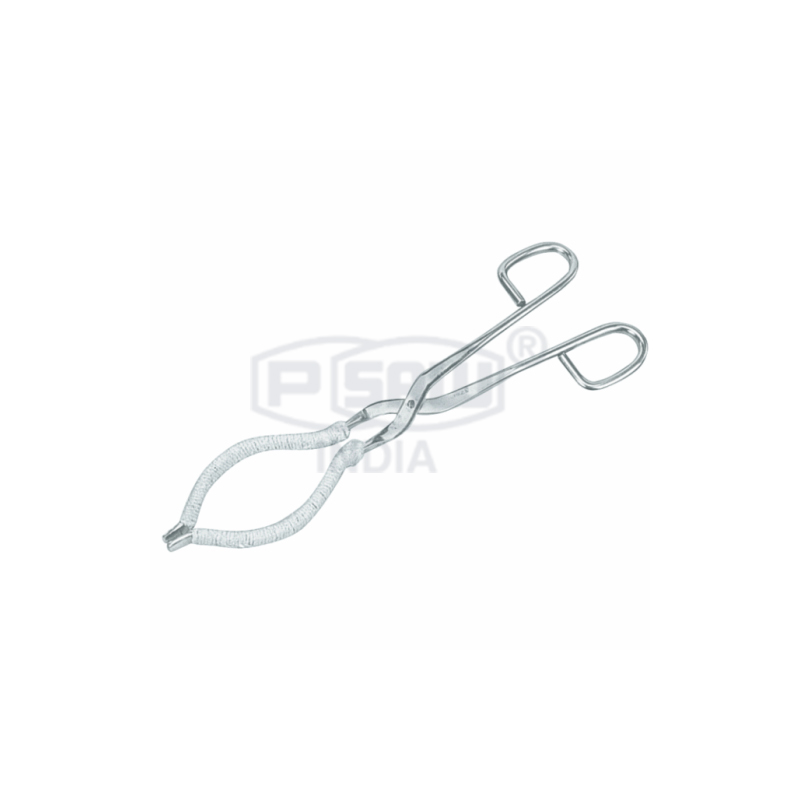
Beaker Tongs: Feature rubber-coated or silicone-wrapped jaws that provide a non-slip grip on glass beakers while insulating against heat transfer.
Flask Clamps & Tongs: Specially shaped to grasp round-bottom flasks safely during heating or distillation procedures.
B. Support Stands, Clamps, and Rings
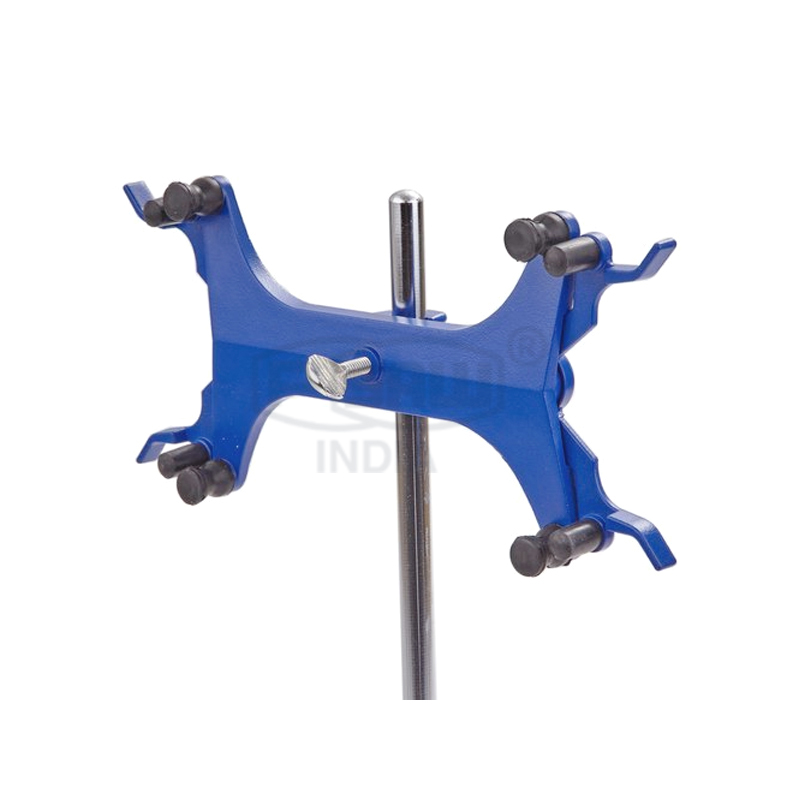
- Retort Stands: Comprising a heavy rectangular or triangular metal base and a vertical rod, this serves as the foundational structure for mounting titration tubes, funnels, and condensers.
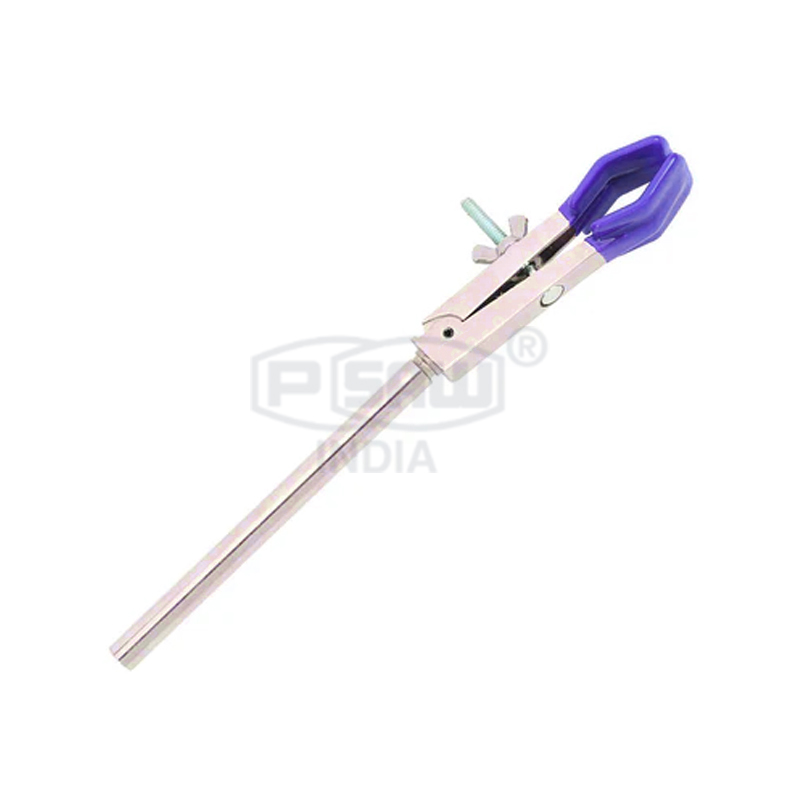
- Burette and Utility Clamps: Precision-engineered clamps fitted with rubberized jaws to hold glass burette clamps firmly at exact angles during titration without cracking the glass.
- Support Rings (Ring Clamps): Attached to retort stands to hold wire gauzes, clay triangles, or separatory funnels in place during heating or liquid-liquid extraction.
C. Spatulas and Scoopulas
Among all Stainless Steel Lab metalWare items, the lab spatula is perhaps the most frequently handled daily tool.
- Spatula-Scoop Combinations: Used for transferring, scooping, and weighing dry powder, granular chemicals, and solid reagents into micro-balances.
- Micro-Spatulas: Engineered with fine flat tips for handling minute sample quantities in analytical chemistry.
D. Heating Apparatus: Burners, Tripods, and Gauzes
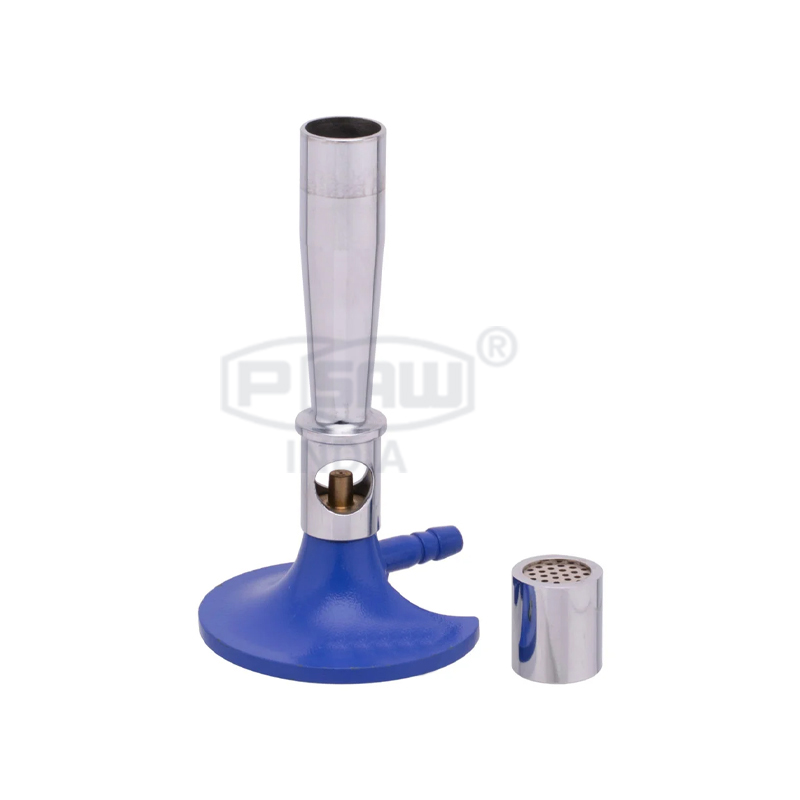
- Bunsen Burners: Constructed from heavy-duty brass and nickel-plated bases, these regulate air-gas mixtures to provide controllable open flames.
- Tripod Stands & Wire Gauze: Three-legged cast iron or steel stands paired with ceramic-centered wire gauze plates ensure uniform heat distribution across beaker bases.
4. Demands of Industrial Lab Metalware Equipment
Industrial research, petrochemical, metallurgical, and quality control laboratories operate under far more demanding conditions than educational institutions. The specifications for Industrial Lab Metalware equipment reflect these heightened demands:
Key Industrial Applications:
- Petrochemical & Refinery Testing: Requires heavy-duty, spark-resistant metalware capable of handling volatile hydrocarbon compounds and high-pressure distillation setups.
- Pharmaceutical & Biotech Manufacturing: Demands ultra-clean, highly polished Grade 316L Stainless Steel Lab metalWare items that comply with cGMP and FDA sanitary guidelines.
- Metallurgy & Mining Analysis: Involves high-temperature fusion and ash testing, requiring nickel, platinum, or heavy stainless steel crucibles capable of enduring extreme temperatures.
Working with an experienced Lab Metal Ware Supplier guarantees that your apparatus meets international quality standards such as ISO, ASTM, and DIN.
5. How to Select the Right Lab Metal Ware Supplier
Partnering with a reliable manufacturer or vendor directly impacts your laboratory's safety, compliance, and budget. Here are the key factors to evaluate when choosing your supplier:
1. Material Certification and Quality Assurance
Ensure your supplier provides material test certificates (MTC) for their Laboratory Metalware Equipment. Verifying the exact grade of steel (e.g., SS 304 vs SS 316) ensures you aren't purchasing inferior plated iron that will rust within months.
2. Comprehensive Product Portfolio
A leading Lab Metal Ware Supplier should offer a full range of catalog items—from small micro-spatulas and heavy-duty retort stands to specialized heating blocks and custom clamps.
3. Custom Manufacturing & Fabrication Capabilities
Industrial setups often require bespoke dimensions or modified clamping mechanisms. Choose a supplier with in-house precision machining and fabrication capabilities to tailor Industrial Lab Metalware equipment to your specific engineering requirements.
4. Safety and Ergonomic Engineering
Poorly manufactured tongs or loose clamps pose major safety hazards. Look for suppliers who prioritize ergonomic grips, smooth weld points, and heavy, stable bases for support stands.
6. Maintenance and Care Guidelines for Long-Term Durability
Even high-grade Chemistry Metalware Apparatus requires proper care to maintain peak performance and aesthetic finish over decades of use.
- Immediate Decontamination: Clean metal tools immediately after exposure to concentrated acids, salts, or reactive reagents to prevent pitting corrosion.
- Proper Washing Techniques: Use neutral detergents and warm distilled water. Avoid abrasive metallic scrubbers that can scratch the protective passive layer of stainless steel.
- Thorough Drying: Dry metal items completely with lint-free cloths or warm-air dryers before storage. Stagnant water spots can lead to surface staining.
- Thread Lubrication: Apply a thin layer of laboratory-grade lubricant or high-temperature grease to clamp adjustment screws and burner valve threads to prevent seizing.
7. Frequently Asked Questions
Q1: Why is metalware preferred over glassware in high-heat laboratory processes?
Answer: Laboratory Metalware Equipment provides superior thermal tolerance, high structural stability, and shock resistance. Unlike glass, metal will not thermal-shock, shatter, or crack when exposed to sudden flame contact or high weight loads.
Q2: What is the difference between SS 304 and SS 316 stainless steel labware?
Answer: SS 304 is ideal for general laboratory applications, offering great strength and rust resistance. SS 316 contains added molybdenum, which significantly enhances its resistance to chlorides, marine environments, and harsh acids, making it the preferred choice for Industrial Lab Metalware equipment.
Q3: Are all chemistry metalware items rust-proof?
Answer: Not all metalware is naturally rust-proof. Items made of plain carbon steel or iron will rust unless plated (e.g., chrome or zinc plating). High-grade Stainless Steel Lab metalWare items offer natural, permanent corrosion resistance throughout the material.
Q4: How do I verify the quality of a Lab Metal Ware Supplier?
Answer: Look for a Lab Metal Ware Supplier that offers ISO quality certifications, clear material composition guarantees, batch testing, and positive track records across pharmaceutical, industrial, and academic institutions.
Conclusion
The safety, accuracy, and efficiency of any laboratory depend on the quality of its foundation. Investing in premium Laboratory Metalware Equipment protects your research team, eliminates equipment failure during critical workflows, and delivers long-term financial savings.
Whether you are fitting out a high school science center or expanding a multi-facility pharmaceutical site, working with an established Lab Metal Ware Supplier ensures access to top-tier Stainless Steel Lab metalWare items, robust Chemistry Metalware Apparatus, and specialized Industrial Lab Metal ware equipment. Equip your lab with certified precision metalware today to build a safer, more productive scientific workspace.
Ready to Upgrade Your Laboratory Metalware?
Contact PSAW India today for customized orders, product catalogs, and wholesale bulk quotes.
Submit Business Enquiry